
Why start here
The capital frames everything that follows
Giza teaches scale. Cairo teaches pace. Together they set expectations for heat, queues, and how much wonder one morning can hold.
Signature sites
Plateau, Sphinx, city museums
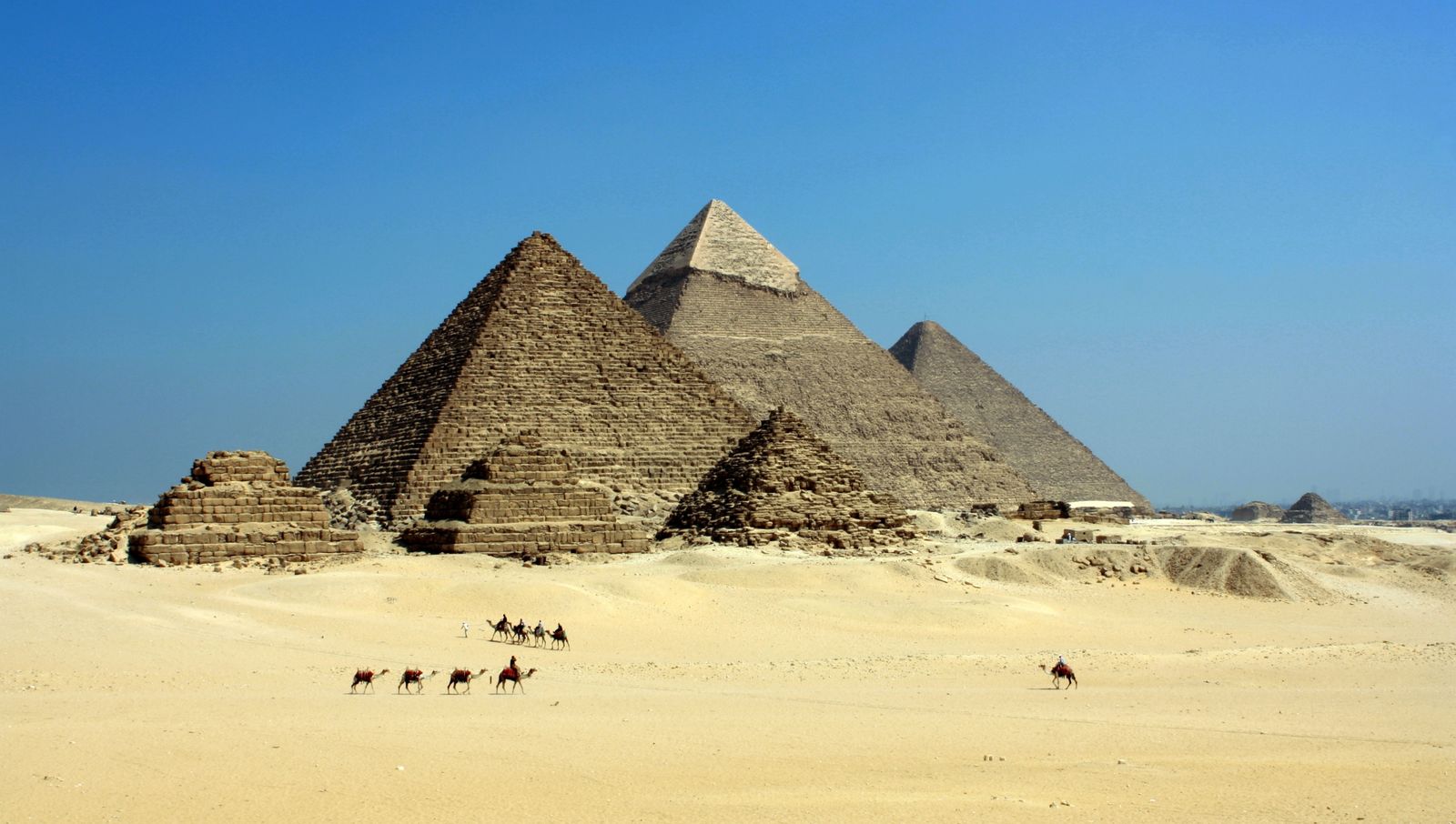
- 01Giza PlateauWalk the perimeter early; limestone reads best in side light before the glare flattens texture.
- 02Sphinx enclosureStay for long shadows, not just the frontal angle.
- 03Museum hoursShift indoors when heat peaks — collections repay a second wind.
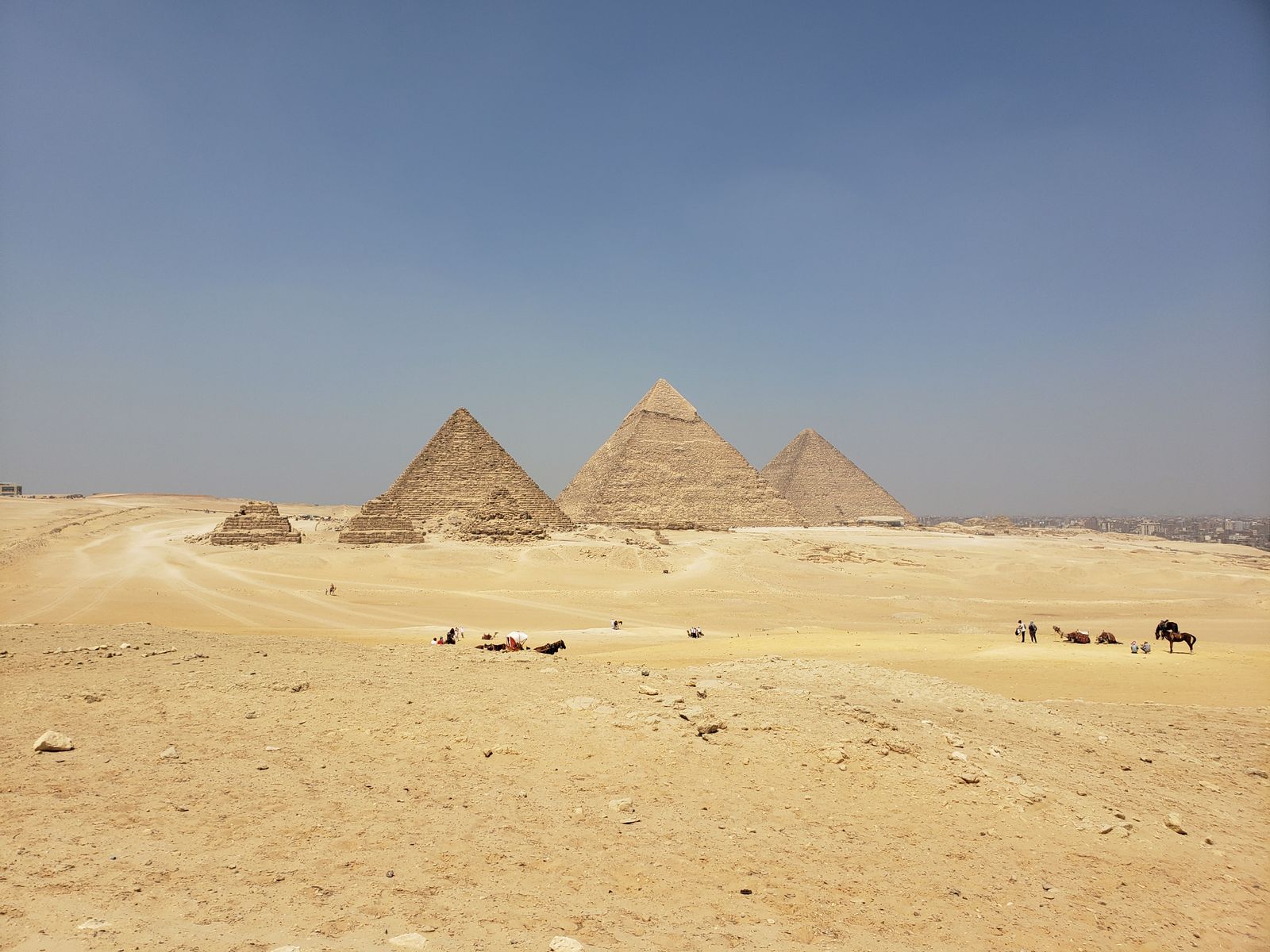
- 04Desert fringeA short rise west reframes the triad against open sand.
Sample day
First tickets
Cooler air and softer crowds on the eastern faces. Carry water from the parking line.
Sphinx & walk
Hydrate; save interior climbs for those who want the challenge. Photograph side light, not only the postcard front.
Indoor culture
Museums or shaded districts. Protect energy if you transfer south the next day.
City pulse
A calm dinner near your stay beats another monument stop after dark.
Field tips
- •ShoesUneven stone and sand — closed footwear wins.
- •GuidesLicensed Egyptologists; agree scope and price before you start.
- •PhotoMidday flattens stone; dawn keeps texture and colour.
- •TrafficBuild buffer time between plateau and downtown.
Beyond the plateau
Give the city its own half-day
Historic quarters, river views, and museum time work better when they are not bolted onto a rushed Giza morning. Split the capital across two calendar days if you can.
Arrive early for stone. Stay late for the city — but not on the same exhausted afternoon.
FAQ
Capital Rim questions
How many hours for Giza?
A focused half-day covers the main plateau and Sphinx. A full day adds museums without turning the visit into a sprint.
Is a camel ride required?
No. Optional atmosphere — walking often serves photography and comfort better.
Where does Harbour City fit?
As a day trip or overnight after Giza, before you fly south. See the Alexandria chapter.